

What Is the Difference Between a Cocktail Dress and an Evening Dress?
Many dress codes sound similar, but they don’t always mean the same thing. One of the most common sources of confusion is the difference between a cocktail dress and an evening dress.
Both are meant for special occasions, but they usually suit very different settings. Cocktail dresses tend to be shorter, slightly less formal, and designed for events that start earlier in the evening. Evening dresses, on the other hand, are often longer, more dramatic, and intended for formal dinners, galas, or black-tie events.
Understanding the difference makes it much easier to choose the right outfit when an invitation arrives. The length of the dress, the fabric, and the overall silhouette usually provide the clearest clues about whether a piece fits a cocktail dress code or a more formal evening event.
What a Classic Cocktail Dress Looks Like

Cocktail dresses are typically shorter than evening gowns and are designed for semi-formal events. They often fall above the knee or around mid-thigh and tend to balance elegance with a sense of ease.
A fit-and-flare mini dress like this is a perfect example. The silhouette feels celebratory and polished, while the shorter length keeps it appropriate for cocktail parties, receptions, and evening gatherings that don’t require full formalwear.
Embellishment or texture can add personality to a cocktail dress without pushing it into the level of formality expected from an evening gown. The result is a look that feels festive but still relaxed enough for a wide range of social occasions.
A More Refined Version of a Cocktail Dress
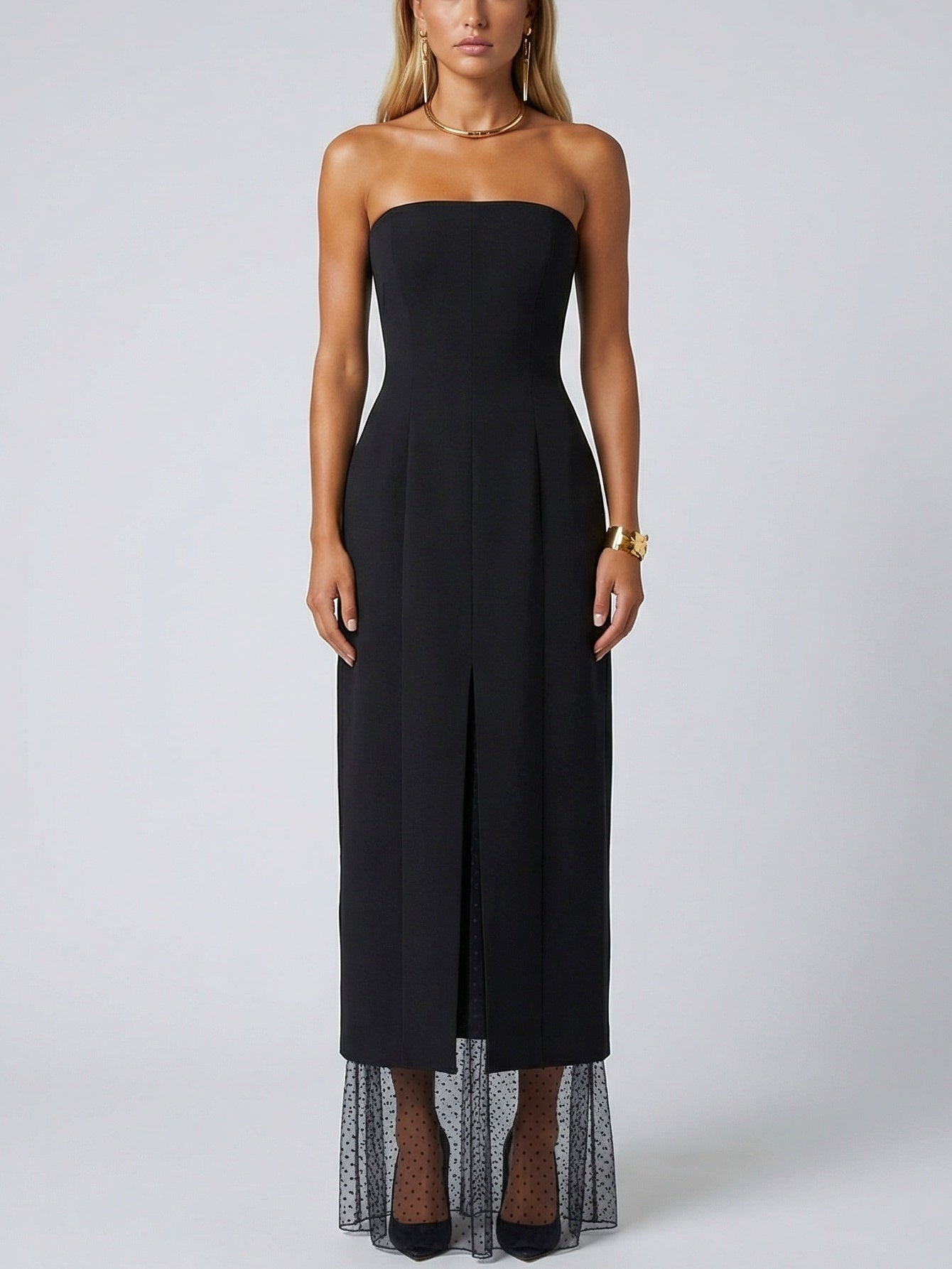
Not every cocktail dress is short. Some fall slightly below the knee or at midi length while still maintaining the relaxed formality that defines cocktail attire.
A strapless midi dress like this works well for evening receptions, dinner parties, or celebrations where guests are expected to dress elegantly without going fully formal. The silhouette remains simple and polished, while details like sheer fabric or texture add visual interest.
This type of dress shows how cocktail attire can lean slightly more sophisticated while still staying within the category. The length and design keep it appropriate for semi-formal events, but it stops short of the dramatic presence usually associated with full evening gowns.
What Defines an Evening Dress
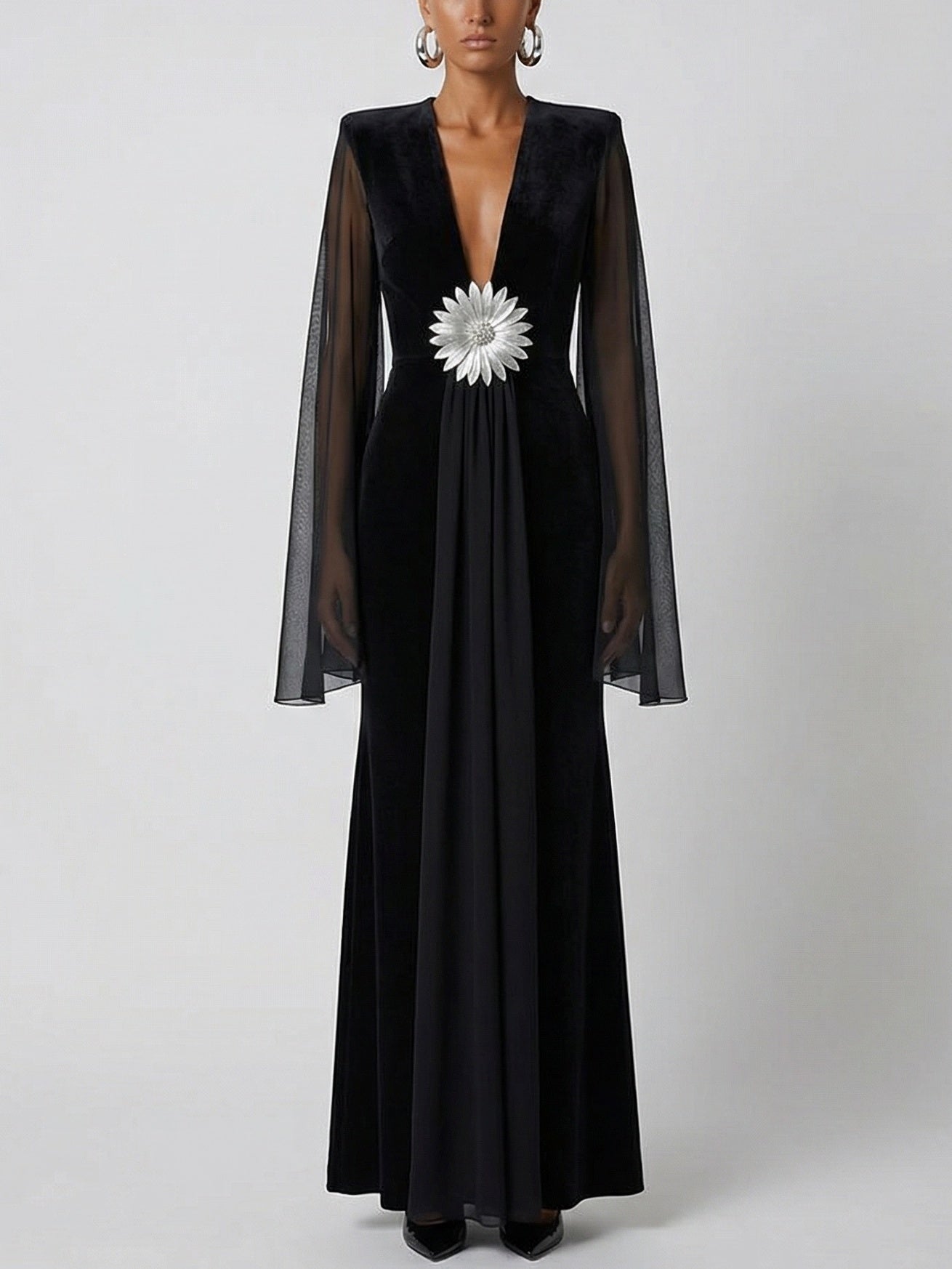
Evening dresses usually move into a more formal category than cocktail dresses. One of the most noticeable differences is length. Evening gowns are often full-length and designed with silhouettes that feel more dramatic or structured.
Fabrics also tend to shift. Materials like velvet, satin, chiffon, or embellished textiles are commonly used because they create a more formal presence suitable for evening occasions.
A gown like this illustrates the distinction clearly. The floor-length silhouette and flowing cape sleeves create a sense of formality that would feel out of place at most cocktail events but works beautifully for formal dinners, galas, or black-tie celebrations.
When an Evening Gown Is Expected

Some events clearly call for a higher level of formality. Black-tie weddings, galas, and formal evening receptions often expect guests to wear full-length gowns rather than cocktail dresses.
Sequins, long sleeves, and a floor-length silhouette immediately signal that a dress belongs in the evening category. These elements create a stronger visual presence and are designed for events that take place later in the evening where a more dramatic look feels appropriate.
A gown like this works particularly well in venues with a formal atmosphere - ballrooms, upscale event spaces, or large celebrations where guests tend to dress at a more elevated level.
Evening Dresses for Formal Celebrations

Evening dresses often stand out because of their fabrics, textures, and overall presence. Full-length gowns with intricate embellishment are typically reserved for formal occasions where guests are expected to dress with a bit more drama.
Details like sequins, sculptural appliqué, or layered textures help create a look that feels suited to special evening events. These kinds of gowns are often chosen for formal weddings, galas, or celebrations that take place in elegant venues.
The deeper tones and rich textures commonly found in evening gowns also contribute to their more sophisticated appearance, making them ideal for events that call for a refined and memorable look.
Cocktail dresses and evening dresses may both be worn to special events, but they usually serve different purposes. Cocktail dresses are typically shorter and slightly less formal, making them ideal for semi-formal gatherings, receptions, and evening parties. Evening dresses, on the other hand, tend to be longer and more dramatic, often reserved for formal dinners, black-tie events, and elegant celebrations.
By paying attention to length, fabric, and overall silhouette, it becomes much easier to determine which style fits the occasion. When the dress matches the level of formality expected at an event, the entire outfit naturally feels more appropriate and comfortable.