

Common Fashion Mistakes and How to Avoid Them
Building a refined wardrobe often comes down to avoiding common styling missteps. From poor fit to over-accessorizing, small decisions can significantly impact the overall impression of an outfit. Understanding how to balance proportion, fabric, and coordination allows clothing to appear intentional and polished.
Understanding Fashion Mistakes
Fashion mistakes typically stem from imbalance — whether in fit, proportion, color coordination, or layering. Identifying these issues early helps maintain a cohesive wardrobe and prevents outfits from appearing unfinished or overly styled.
1. Prioritize Fit Over Trend
Fit is the foundation of a polished appearance. Even the most detailed or embellished garment will lose impact if the tailoring is incorrect. Structured pieces, such as a well-cut blazer, should follow the natural lines of the shoulders and waist without pulling or gaping. Clean tailoring enhances proportion and allows statement detailing to appear intentional rather than overwhelming.
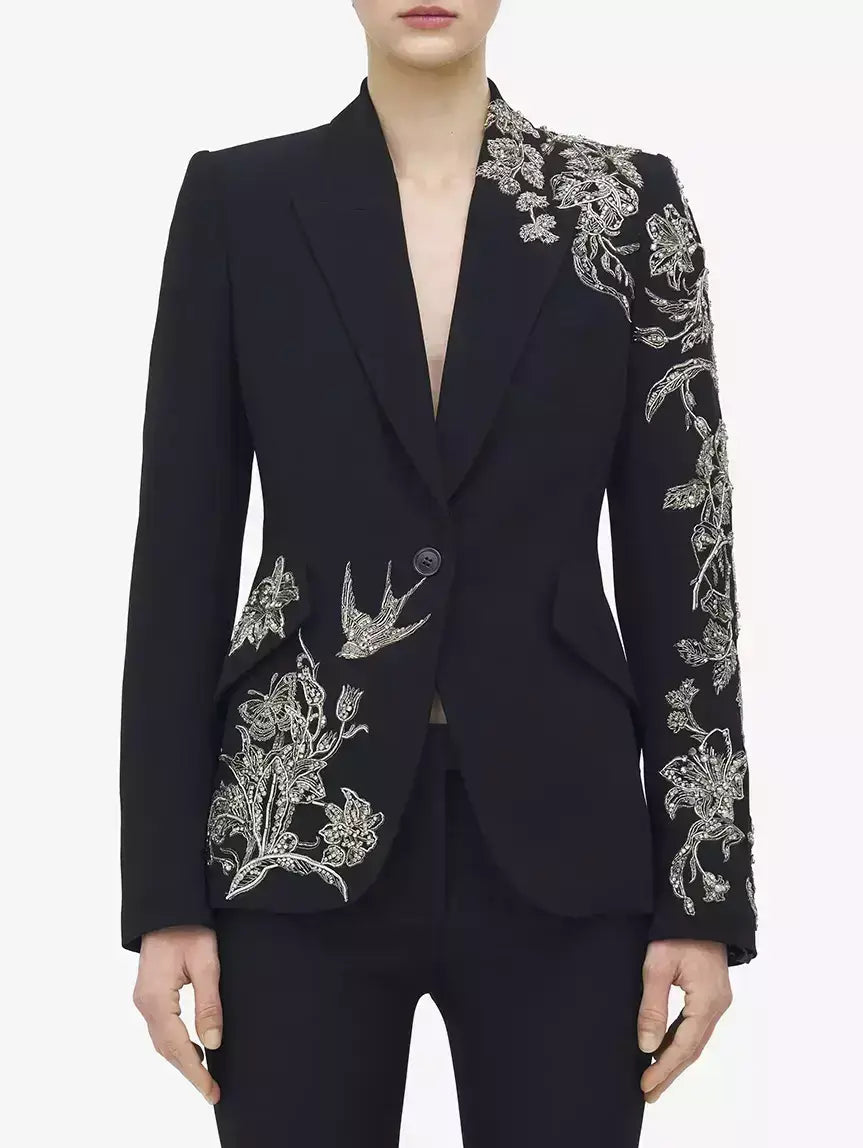
A garment that fits correctly will always appear more refined than one that is oversized or restrictive. Pay attention to shoulder alignment, waist definition, sleeve length, and overall proportion. When these elements are balanced, even minimalist pieces feel elevated and intentional.
Tip: Prioritize tailoring over embellishment. A structured blazer, fitted dress, or clean-cut trouser creates a foundation that can be styled across multiple seasons.
2. Understand Color Balance
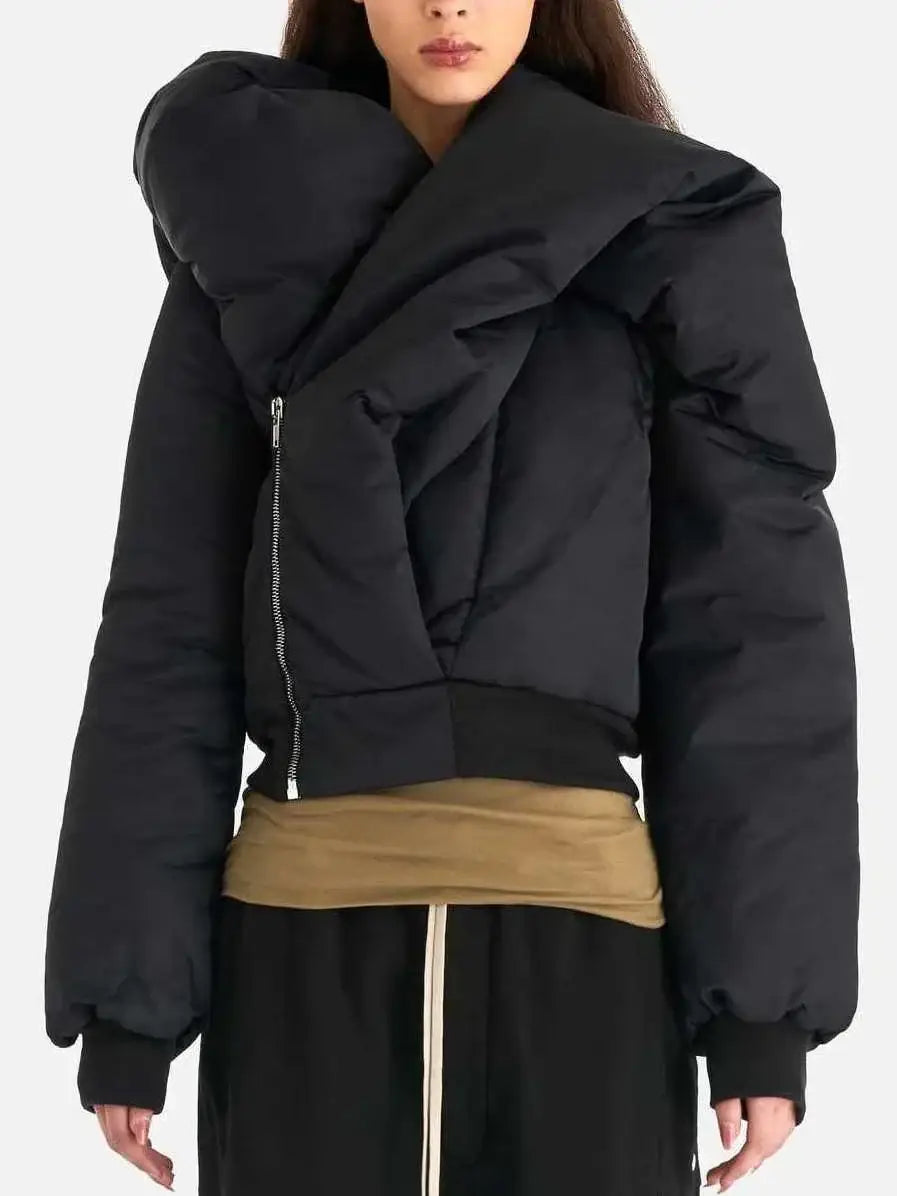
Color plays a major role in how an outfit is perceived. Poor coordination can make even well-tailored garments feel disconnected. Focus on complementary tones and balanced contrast rather than combining multiple dominant shades in a single look. Neutral bases often provide structure, while a single accent color adds interest without overwhelming the outfit.
3. Balance Bold with Subtle
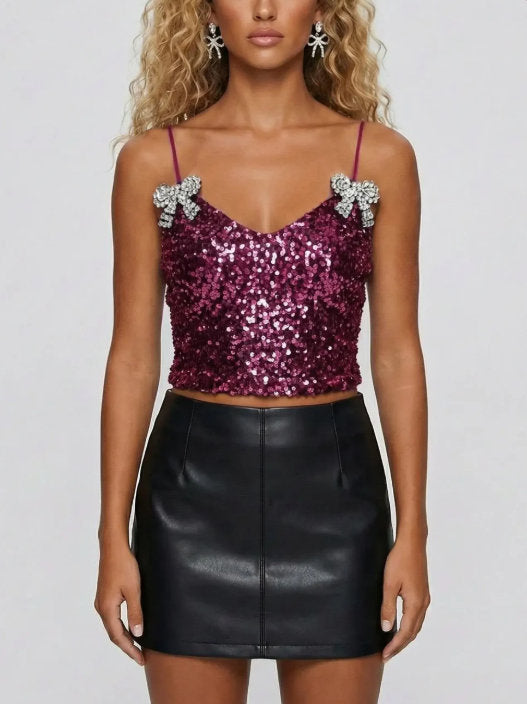
Strong statement pieces require restraint elsewhere in the outfit. When wearing a bold color or high-shine fabric, balance it with structured, neutral elements. For example, pairing a vibrant sequin top with a streamlined black skirt maintains focus without creating visual clutter. Contrast should feel deliberate, not accidental.
Fashion as Self-Expression
Fashion is a potent form of self-expression, allowing you to convey who you are without saying a word. Here’s how you can ensure your fashion choices reflect your unique personality.
4. Develop a Signature Style
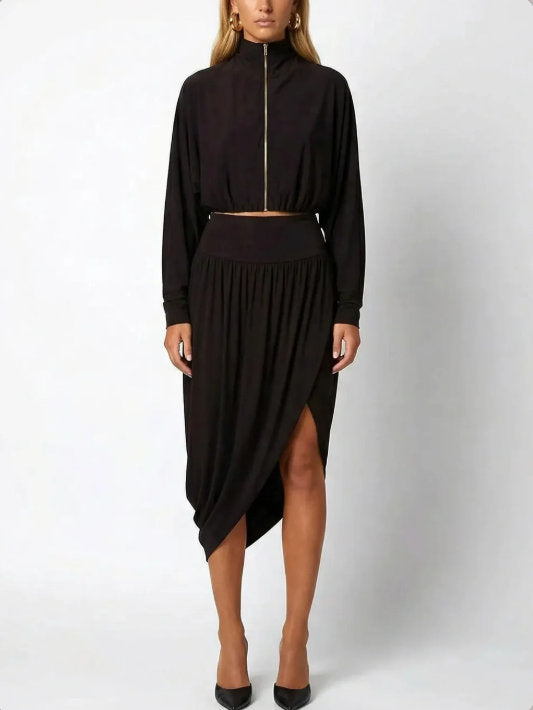
A signature style is often built around structured silhouettes and consistent tailoring. Pieces such as a well-cut blazer and coordinated trousers create a recognizable foundation that can be styled repeatedly in different ways. When your wardrobe centers around clean lines and refined structure, outfits feel cohesive rather than experimental.
5. Choose Quality Over Quantity
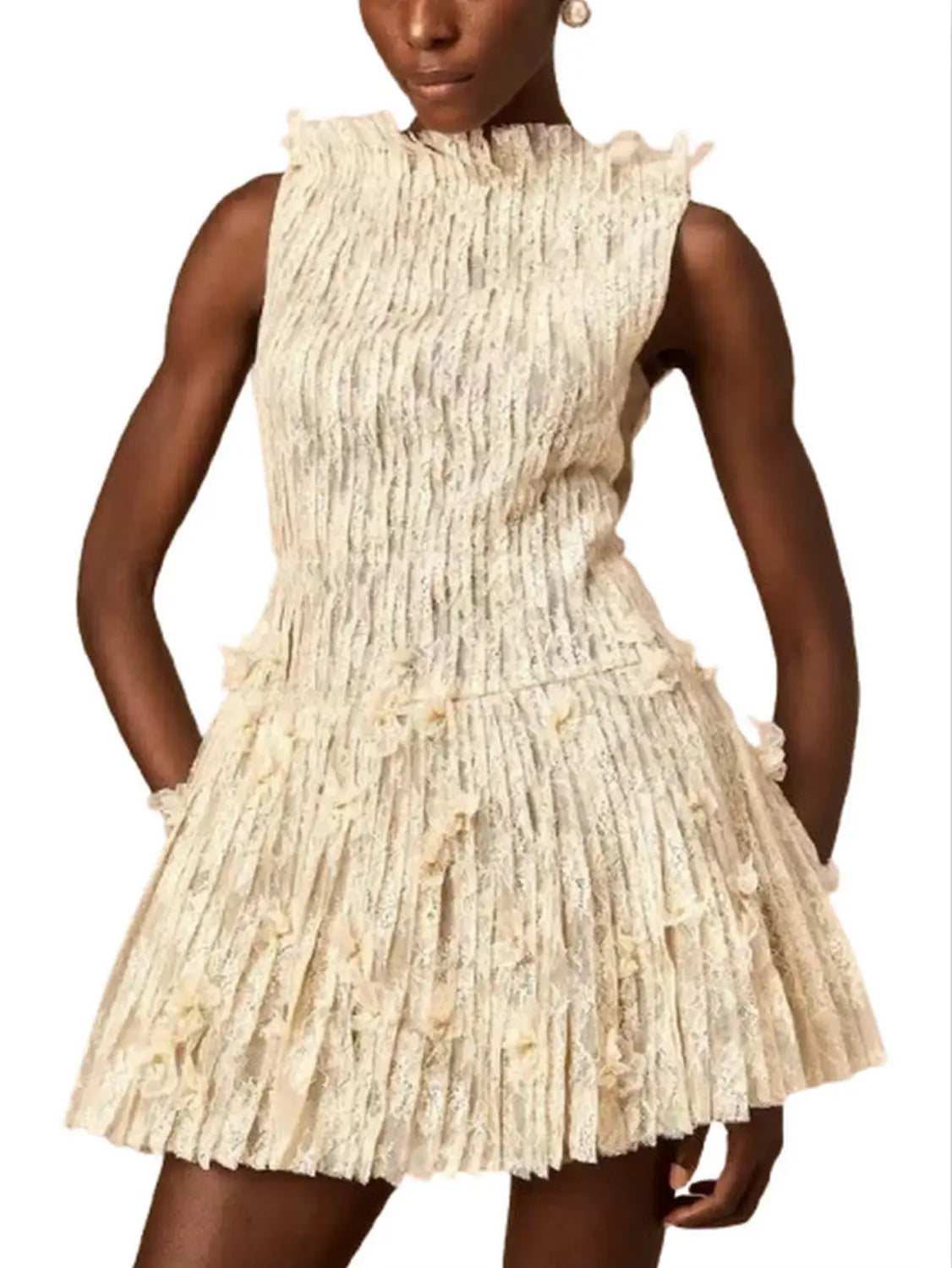
A smaller collection of well-constructed garments will outperform a wardrobe filled with trend-driven purchases. High-quality fabrics, proper lining, and strong construction maintain shape over time and improve how clothing drapes on the body. Longevity and craftsmanship contribute more to a refined appearance than constant replacement.
6. Accessories: The Polish to Your Look
Accessories should refine an outfit, not compete with it. A structured bag, a clean heel, or understated jewelry can elevate even the simplest look. The key is balance — if your clothing makes a statement, keep accessories minimal. If your outfit is streamlined, one intentional accessory can add dimension without overwhelming the silhouette.
7. Confidence is Key
Even the most carefully styled look falls flat without confidence. Posture, presence, and comfort in your clothing influence how an outfit is perceived. Choose pieces that allow you to move naturally and feel secure — refinement starts with ease.
8. Stay Informed but Authentic
Understanding trends is useful, but relying on them entirely weakens personal style. Use trends selectively and adapt them to your aesthetic rather than replacing your foundation each season. Consistency builds a stronger wardrobe than constant reinvention.
9. Attention to Detail
Luxury is often defined by details — clean tailoring, proper garment care, polished footwear, and thoughtful coordination. Small refinements separate a composed look from a rushed one.
Conclusion
Achieving a refined, elevated wardrobe comes down to intention. Prioritize fit, color balance, proportion, and quality. When each element works together, your style feels cohesive rather than accidental. Avoiding common fashion mistakes isn’t about restriction - it’s about making deliberate choices that enhance your presence.
Related Reading:
Why Blend In When You Can Be the Reason People Look Twice