black and white geometric knit fit and flare dress

The Art of Draping: Dresses Defined by Shape, Texture, and Movement

Fashion has always relied on fabric as its foundation, but some garments go beyond simple construction. When fabric is carefully shaped, gathered, and layered, it begins to take on a sculptural quality. Draping is one of the most powerful techniques in design, allowing material to flow naturally while creating structure, dimension, and visual interest.

Rather than relying on bold prints or excessive embellishment, draped garments often let the fabric itself tell the story. Subtle folds, soft pleats, and thoughtful shaping can transform a simple silhouette into something refined and memorable. The result is clothing that feels both expressive and elegant, where movement and texture become just as important as the overall form.

The following pieces highlight how draping can redefine a dress. From softly gathered silhouettes to dramatic layered structures, each design demonstrates how fabric, when handled with intention, can become the centerpiece of a garment.

The Elegance of Geometric Structure
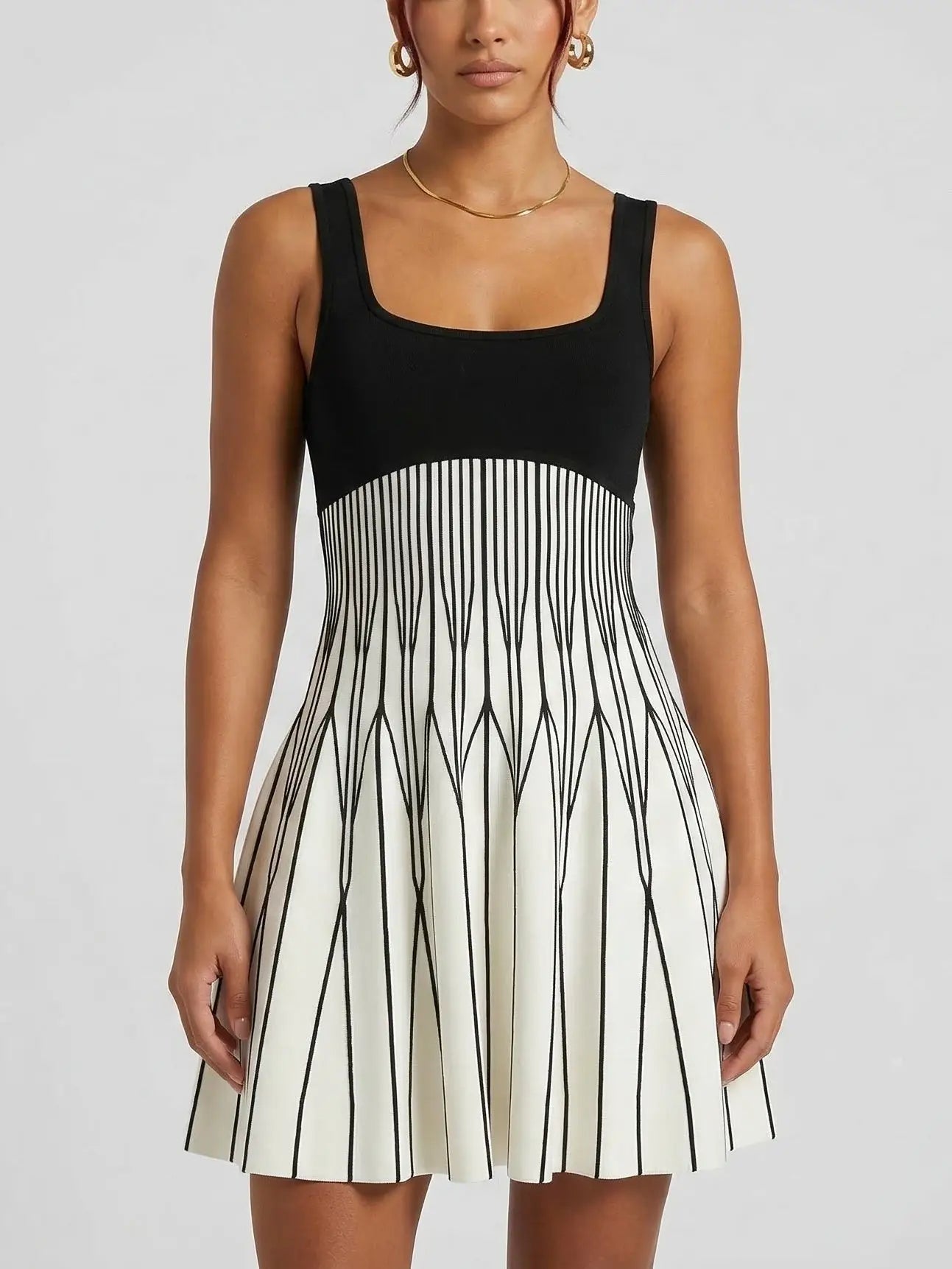
Not all dresses rely on soft folds to create movement. Structured knit designs can achieve a similar visual effect through pattern and construction. In this piece, the contrast between the black bodice and the geometric lines of the skirt creates a striking visual rhythm that draws the eye downward.

The fitted bodice provides balance, while the flared skirt introduces shape and motion through its structured pleats. The clean lines of the design create a sense of precision that feels both refined and dynamic.

By combining bold contrast with a carefully shaped silhouette, the dress demonstrates how structure and drape can work together to create a design that feels visually engaging without relying on heavy embellishment.
Sculpted Draping That Feels Almost Architectural

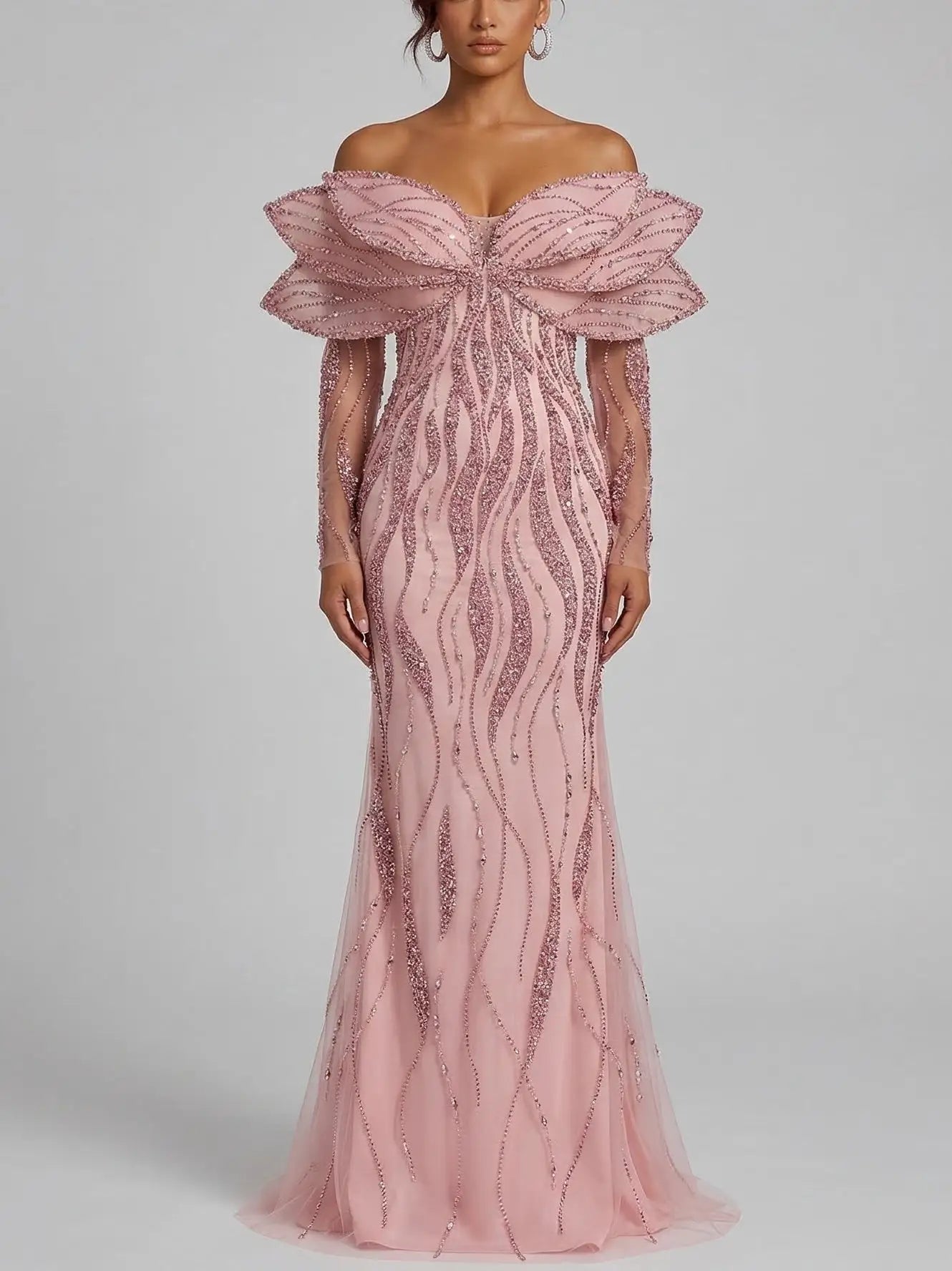
Some dresses move beyond simple draping and begin to feel almost architectural in their construction. In this gown, the sculpted shoulder detail forms layered petal-like shapes that frame the upper body while guiding the eye toward the fitted silhouette below.

The flowing beadwork follows the natural lines of the figure, creating movement without overwhelming the overall design. Instead of relying on heavy decoration, the gown uses carefully placed embellishment and sculpted structure to create visual drama.

This type of design highlights how draping can work together with structured elements. The result is a garment that feels fluid and sculptural at the same time, allowing the fabric to create both movement and form in a way that feels striking yet balanced.

Soft Draping That Follows the Natural Shape

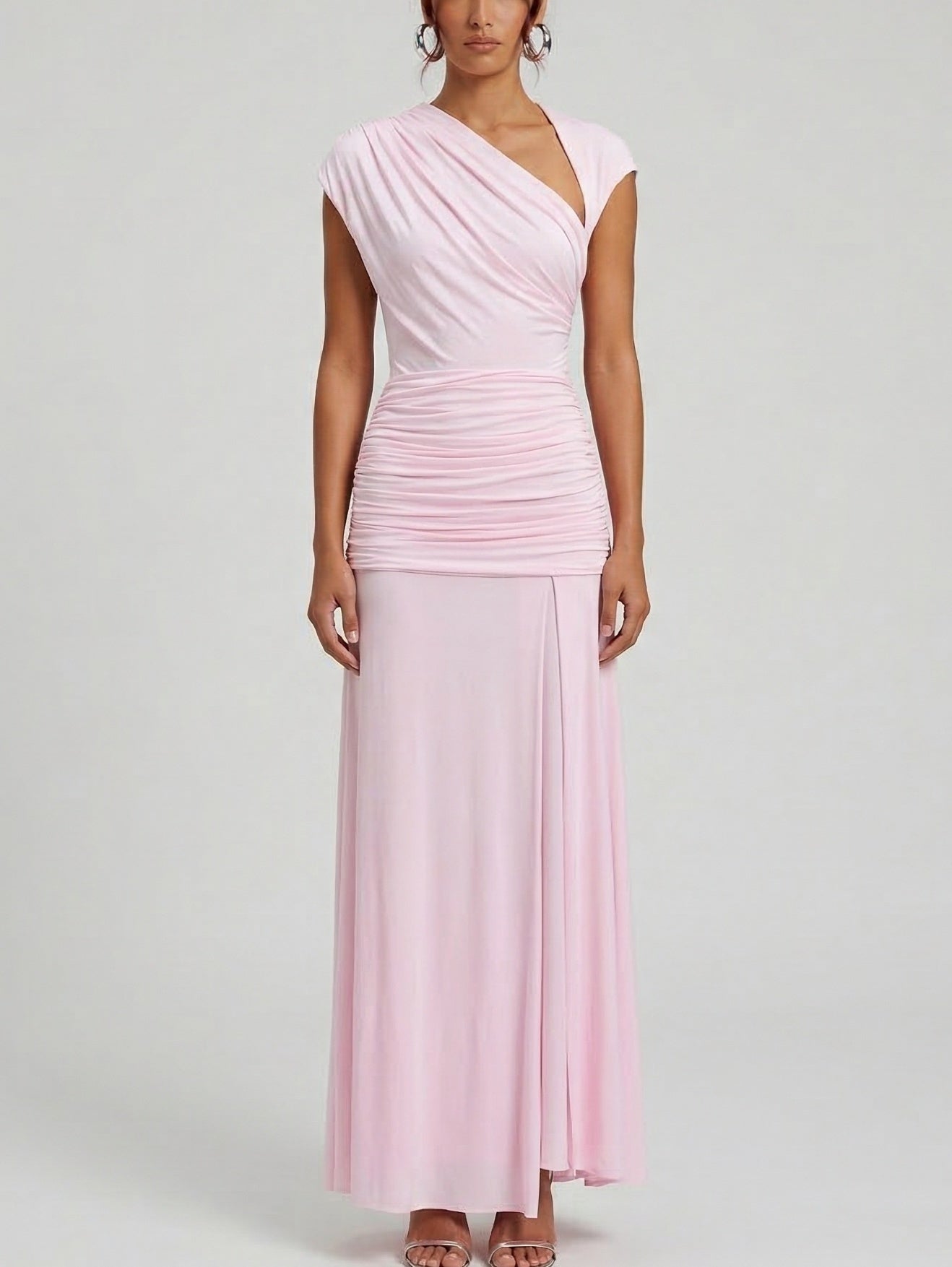
Not every striking dress relies on dramatic structure. Sometimes the most elegant designs come from fabric that moves naturally with the body. Soft jersey fabrics are particularly well suited to this approach, allowing designers to create gentle gathers and ruching that shape the silhouette without stiffness.

In this dress, the fabric is carefully draped and gathered through the bodice, creating texture while maintaining a smooth and fluid line through the skirt. The result is a silhouette that feels balanced and effortless, where the movement of the fabric becomes part of the design itself.

This style of draping highlights the beauty of simplicity. Rather than competing with bold embellishments or complicated construction, the fabric creates its own visual interest through folds, movement, and shape.

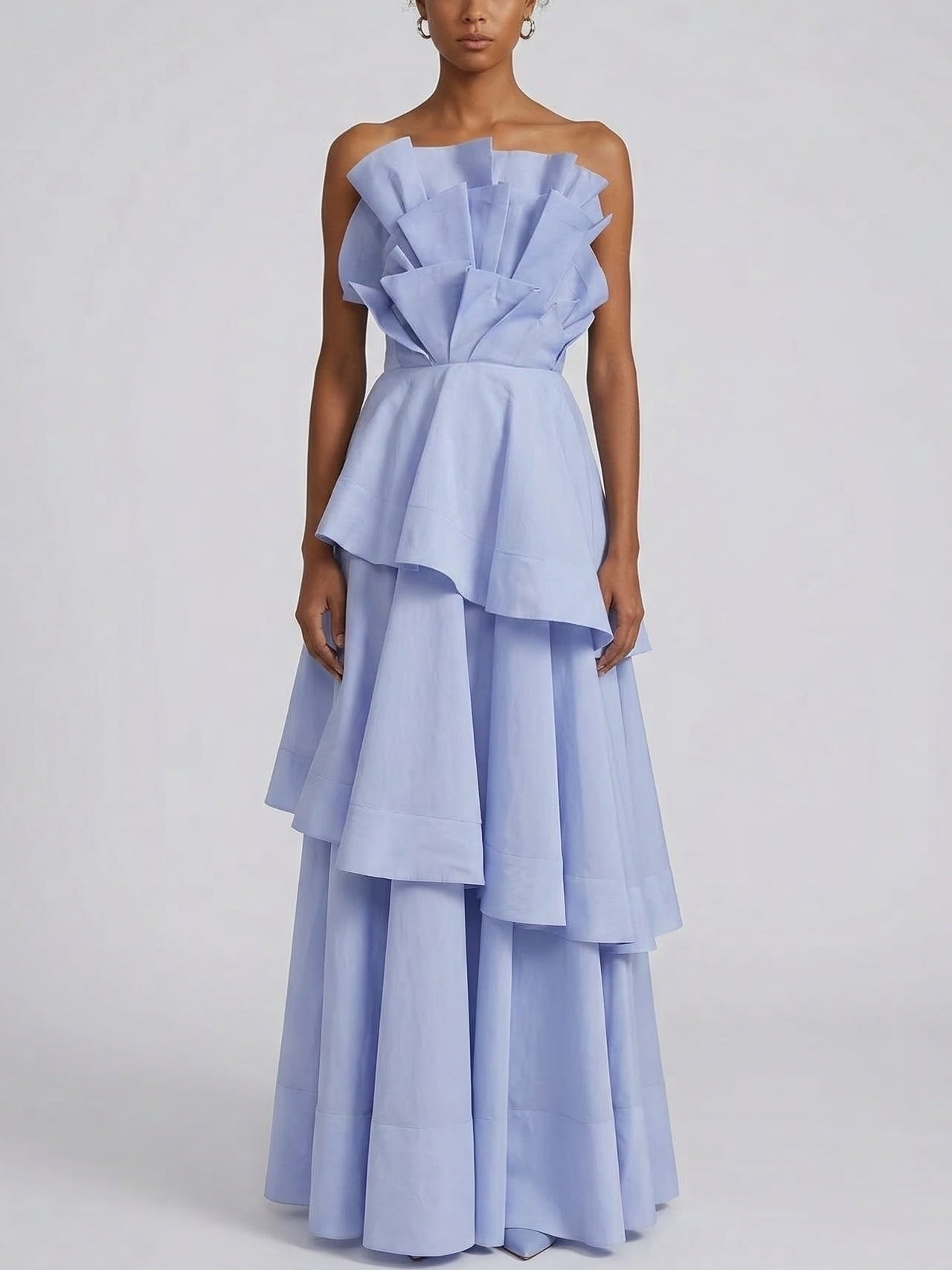
Volume Created Through Layered Construction


Not every striking silhouette relies on draping. In some designs, the visual impact comes from layered construction. Tiered skirts create depth and dimension by stacking fabric in carefully arranged layers that build volume from the waist downward.

In this dress, the strapless bodice provides a clean and structured starting point, allowing the cascading tiers of the skirt to take center stage. Each layer introduces movement and texture, creating a silhouette that feels both dramatic and balanced.

Designs built around layered volume show how fabric can shape a garment in unexpected ways. Rather than relying on intricate embellishment, the structure of the skirt itself becomes the defining feature, proving that thoughtful construction can be just as powerful as decoration.

The way fabric is shaped can completely transform how a dress is perceived. Whether through careful draping, sculpted structure, layered ruffles, or striking pattern work, each technique allows designers to create movement and dimension that go far beyond basic construction.

When fabric is treated as a design element rather than simply a material, dresses take on a sculptural quality that makes them visually memorable. From softly gathered silhouettes to dramatic layered forms, these designs demonstrate how shape, texture, and movement can redefine even the simplest garments.

Ultimately, the artistry of draping and construction reminds us that fashion is not only about what we wear, but how fabric itself can be shaped into something expressive, elegant, and unforgettable.

Back to blog