The Kind of Dresses People Remember After the Event
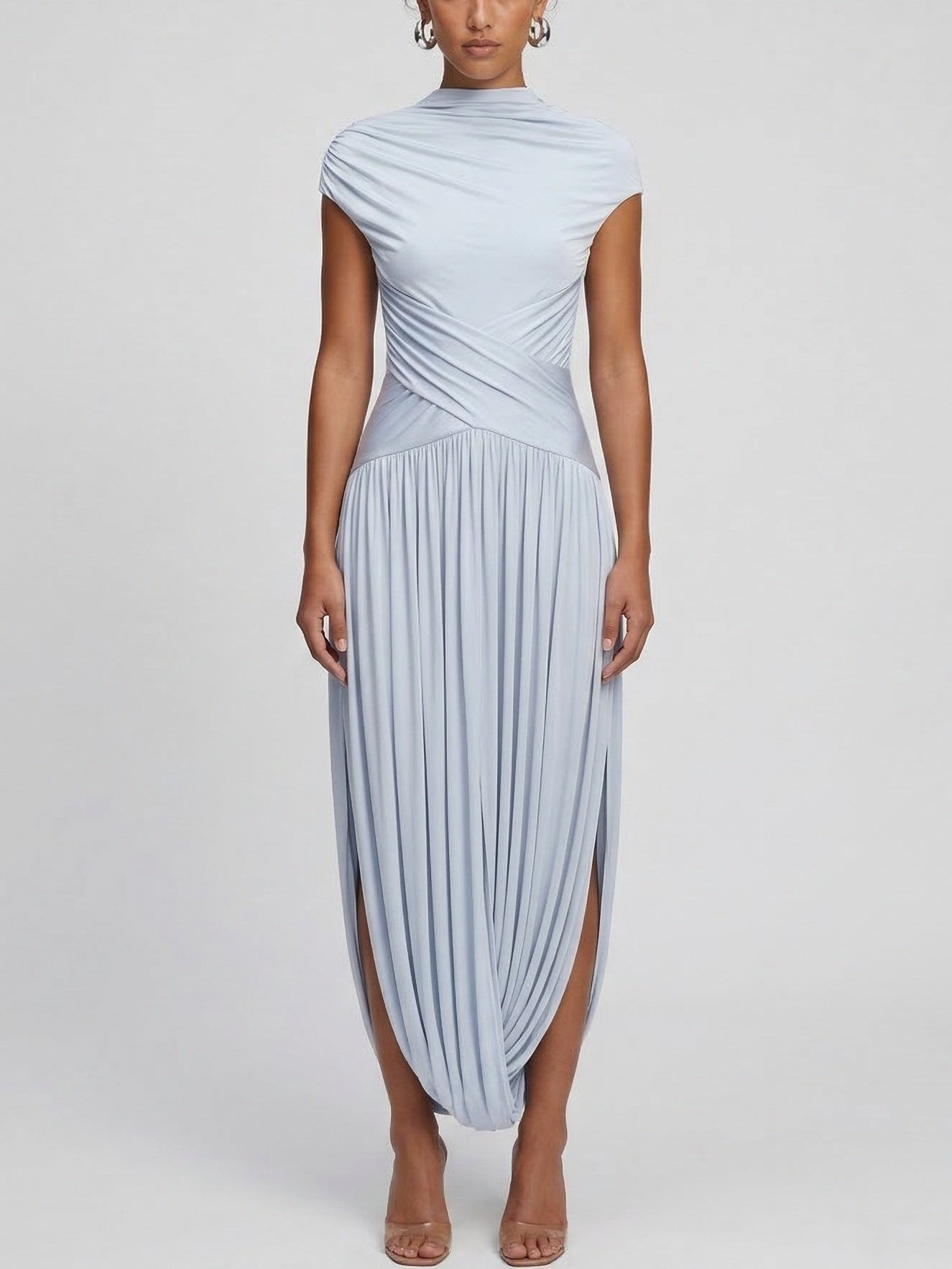
Some dresses disappear into the background of an evening, while others remain in people’s memories long after the event is over. These are the designs that create a lasting impression - pieces defined by striking silhouettes, thoughtful construction, and details that stand out without trying too hard.
Often it isn’t loud color or heavy embellishment that makes a dress unforgettable. Instead, it’s the way the fabric moves, the way the silhouette frames the body, or the way subtle details draw the eye. When those elements come together, a dress becomes more than just an outfit - it becomes a moment people remember.
The following designs capture that rare quality through elegant draping, sculpted structure, and distinctive shapes that naturally command attention.
Quiet Elegance in a Sculpted Silhouette
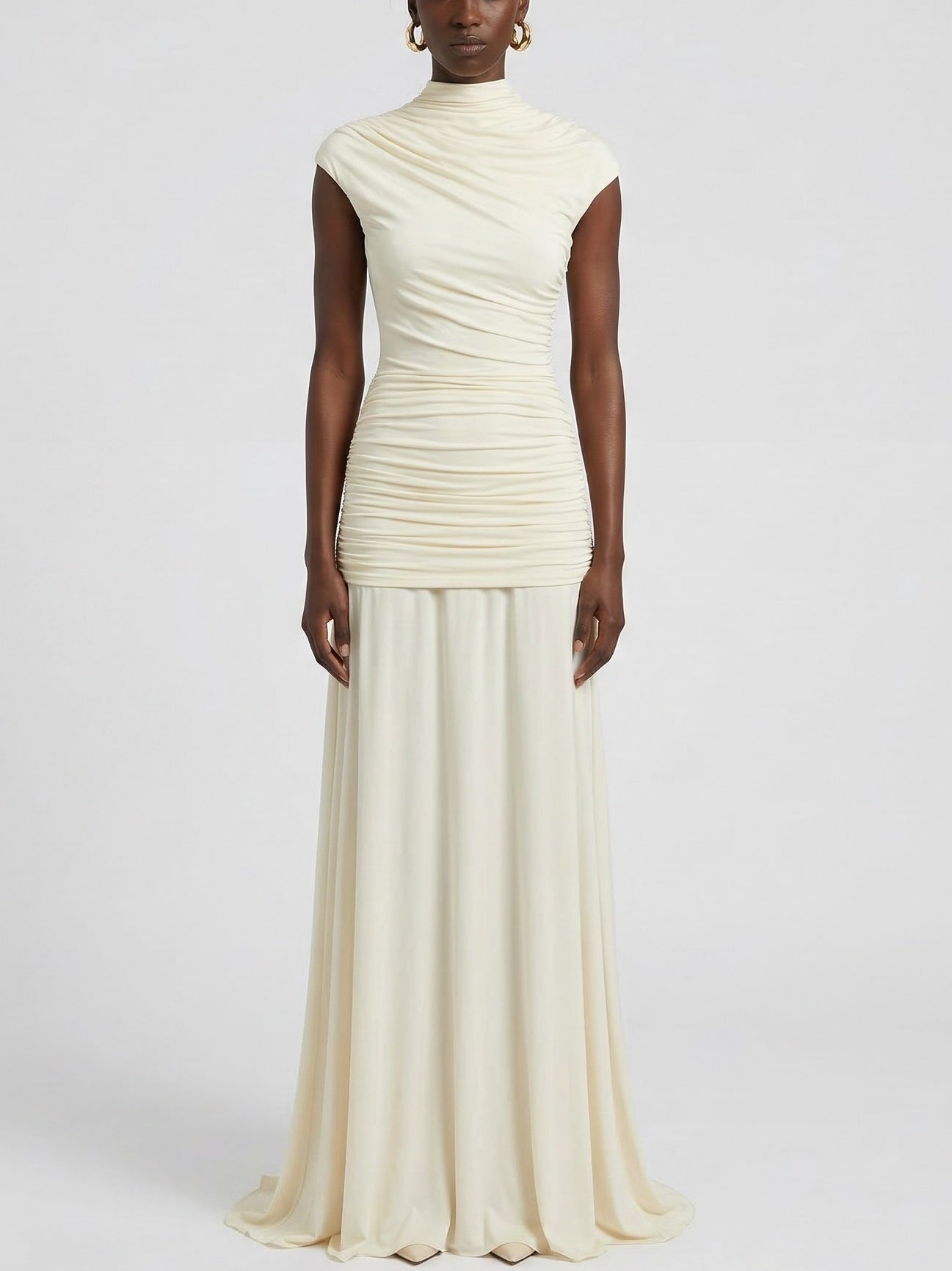
Draped gowns often stand out because of how the fabric is arranged rather than because of decoration. In this design, the jersey fabric is gathered through the bodice and allowed to fall in long, uninterrupted lines through the skirt.
The high neckline creates a strong vertical line that balances the softer folds below it. The result is a silhouette defined mostly by the placement of the draping and the natural movement of the fabric.
Designs like this tend to catch attention quietly, since the shape and construction become the main visual elements of the dress.
A One-Shoulder Shape That Stands Apart

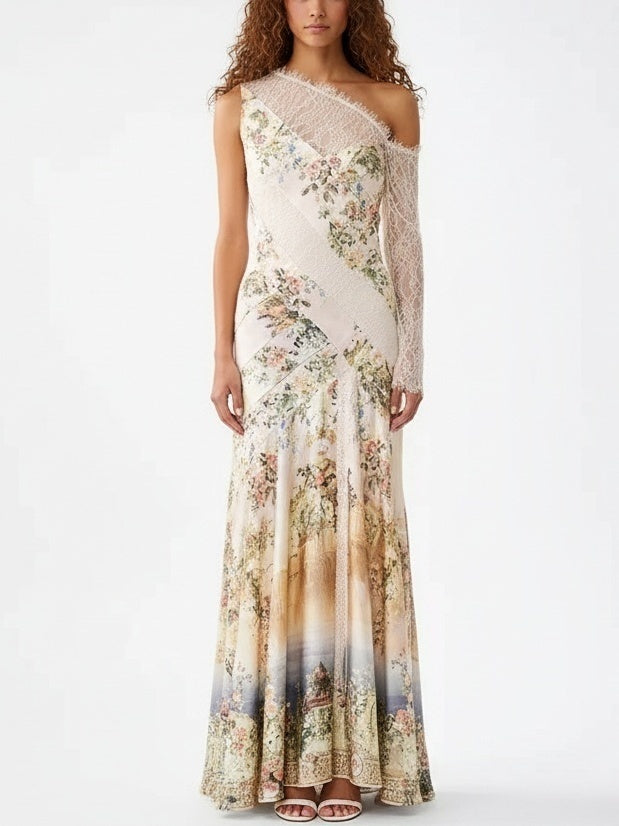
One-shoulder designs often stand out because they immediately change the balance of a silhouette. With one side structured and the other left open, the eye is naturally drawn across the shape of the garment.
In this dress, pleating and ruching work together to add texture and dimension across the bodice and skirt. These gathered sections shape the fabric while keeping the design visually interesting without relying on embellishment.
The asymmetrical neckline, combined with the pleated construction, creates a silhouette that feels distinctive and easy to notice in a room full of more conventional dress shapes.
An Asymmetrical Sleeve That Changes the Silhouette
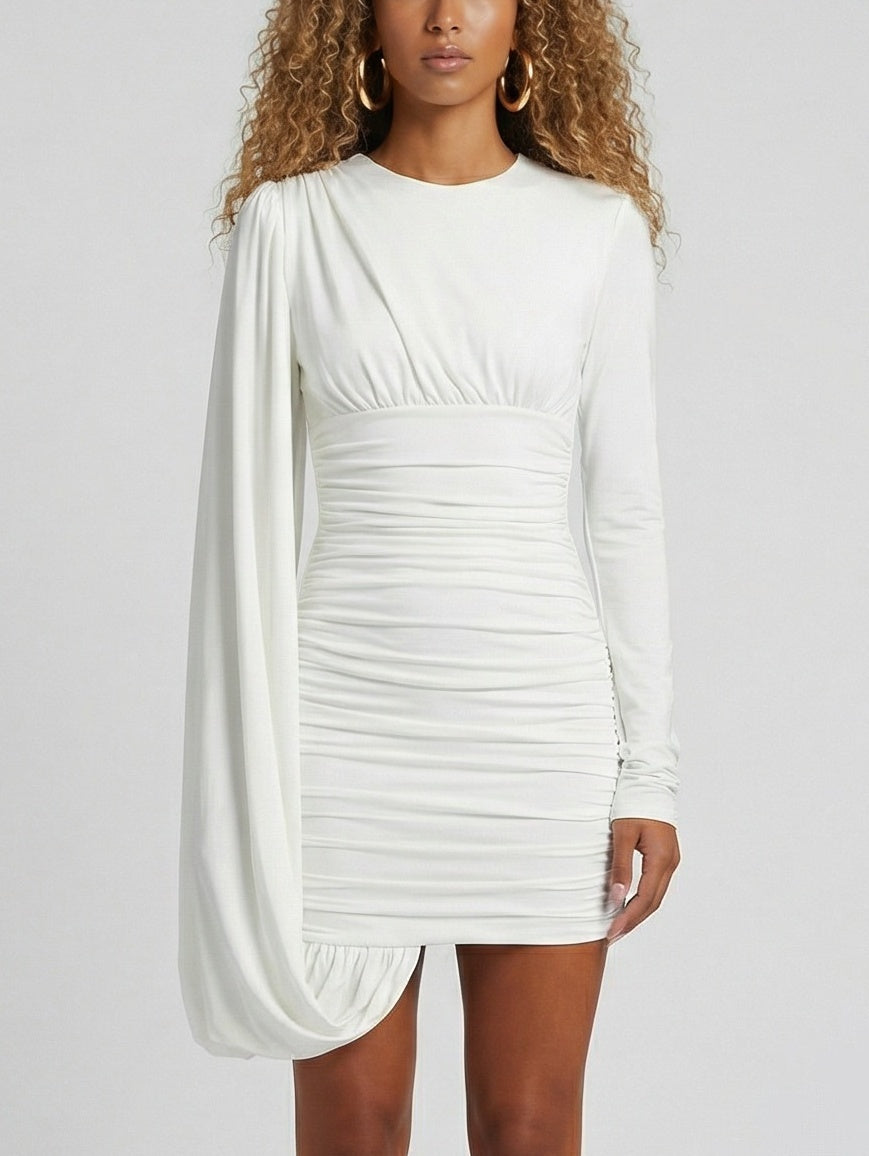
Asymmetry can change the entire character of a dress. Instead of a balanced neckline or sleeve structure, the design shifts attention to one side, creating a silhouette that feels less predictable.
In this dress, the draped sleeve becomes the focal point. The fabric gathers and folds over the shoulder and arm, introducing movement and texture that contrast with the more fitted structure of the body of the dress.
Because the sleeve extends outward and downward, it alters the overall outline of the garment. That shift in proportion is what makes the design noticeable, especially in settings where most dresses follow more symmetrical shapes.